

Healthy Alternatives to Sugary Snacks
Table of Contents
- Why Your Body Craves Sugary Snacks (And What That Means)
- Whole-Food Swaps That Deliver Natural Sweetness
- Are Freeze-Dried Snacks Actually Healthy Alternatives?
- Low-Sugar Snack Ideas for Busy Routines
- Healthy Sweet Snacks for Kids
- Building a Sustainable Snacking Strategy
- Frequently Asked Questions
Last Updated: September 23, 2026
Why Your Body Craves Sugary Snacks (And What That Means)
Your body's craving for sugary snacks isn't a character flaw, it's biology. When you eat refined sugar, your blood glucose spikes rapidly, triggering a dopamine release that feels genuinely rewarding. Your brain remembers this sensation and asks for it again. The problem: that spike is followed by a crash, which leaves you tired and hungry for more sugar within hours.
This cycle makes processed snacks feel automatic, afternoon energy slumps trigger candy runs, stress signals the need for something sweet. Understanding this mechanism is the first step toward building healthy alternatives sugary snacks that actually satisfy the craving without the crash.
At Kelly's Pantry & Pawtry, we recognize that snacking involves managing the psychological and physiological drivers behind what you reach for.
Whole-Food Swaps That Deliver Natural Sweetness
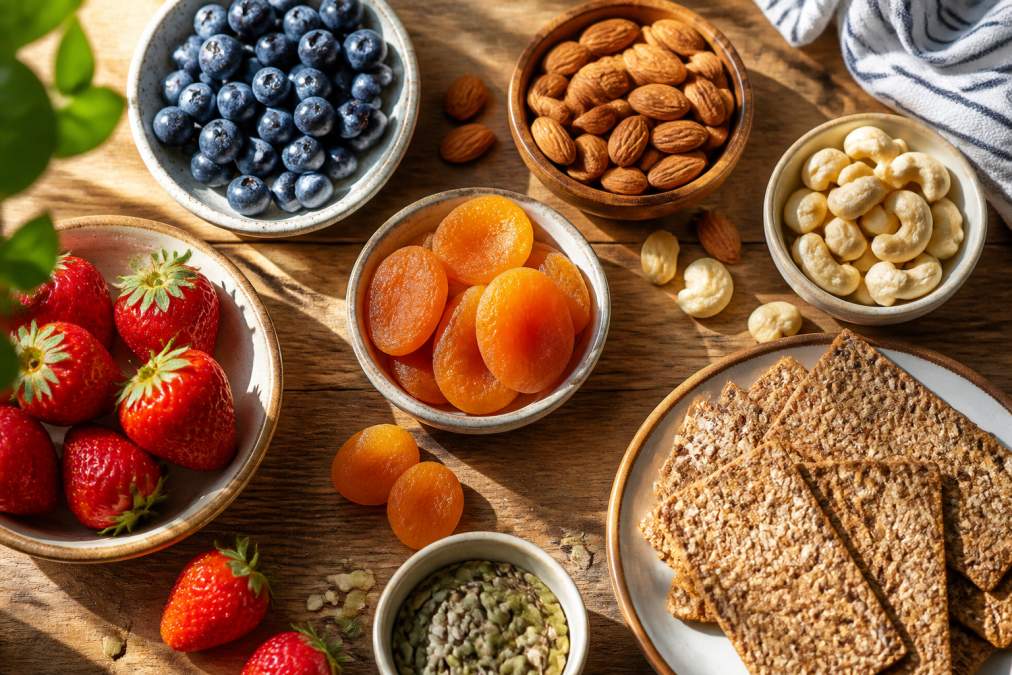
The simplest shift toward healthy alternatives sugary snacks is replacing processed candy with whole foods that contain natural sweetness. Fresh berries, dried dates, and raw nuts deliver flavor satisfaction without the refined sugar crash because they affect your blood glucose response differently, sustaining energy instead of creating the craving cycle.
Understanding Glycemic Index and Sustained Energy:
When you eat refined sugar (candy bar, soda, white bread), glucose enters your bloodstream rapidly, causing a sharp spike and proportional insulin response. Within 90 minutes to 2 hours, your blood glucose crashes below baseline, triggering fatigue, irritability, and intense cravings for more sugar, the cycle that traps people in afternoon energy slumps.
Whole-food swaps work because fiber slows gastric emptying, allowing glucose to enter your bloodstream gradually instead of all at once. This creates a gentle rise in blood glucose, a proportional insulin response, and stable energy for 3-4 hours instead of a crash after 90 minutes.
The glycemic index (GI) measures how quickly a food raises blood glucose on a scale of 0-100. Here's how common swaps compare:
- Milk chocolate candy bar: GI ~70 (rapid spike, sharp crash)
- Apple with peanut butter: GI ~32 (gradual rise, sustained energy)
- Banana: GI ~51 (moderate rise, moderate duration)
- Banana with almond butter: GI ~25 (minimal spike, extended satiety)
- Dried dates: GI ~42 (moderate rise, high fiber content)
- Dates with almonds: GI ~20 (minimal spike, sustained energy)
The addition of protein and fat (from nuts, nut butters, or yogurt) lowers the glycemic response of any sweet food. This is why pairing matters more than the individual ingredient.
Here's what makes these swaps work:
-
Fresh berries (blueberries, strawberries, raspberries): GI 40-53, naturally sweet, packed with fiber (3-4g per cup), stabilize blood sugar better than candy.
-
Dates and figs: GI 35-55, concentrated natural sweetness, high in fiber (6-8g per 100g) and minerals, satisfy intense sweet cravings while maintaining stable glucose.
-
Raw almonds and walnuts: GI ~15, provide protein (6g per ounce) and healthy fats that extend satiety to 4+ hours.
-
Greek yogurt with honey: GI ~20-30, combines protein (15-20g per serving), probiotics, and natural sweetness without added sugars.
-
Apple slices with almond butter: GI ~25-30, fiber from the apple (4-5g) and protein/fat from the butter create sustained energy for 3-4 hours.
The Physiological Impact of Sustained Energy:
Stable blood glucose supports cognitive function, mood stability, reduced cravings, and better sleep. Glucose fluctuations impair focus and trigger cortisol release; stable glucose prevents these cascades.
Practical Application: Building Your Swap List
Identify your most common sugary snack and find a whole-food swap:
- Instead of chocolate: Dark chocolate (70% cacao or higher) with almonds
- Instead of candy: Dried fruit paired with nuts
- Instead of pastries: Whole grain toast with almond butter and banana
- Instead of soda: Sparkling water with diluted fruit juice or herbal tea with honey
Whole foods contain fiber, which slows glucose absorption, keeping your blood sugar stable and preventing the two-hour crash.
Are Freeze-Dried Snacks Actually Healthy Alternatives?
Freeze-dried snacks can be healthy alternatives to sugary snacks, but only if you choose them carefully. The process removes water while preserving nutrients, but what matters is what you're freeze-drying.
Freeze-dried fruit retains fiber, vitamins, and minerals from the original. Freeze-dried candy, however, is still candy with water removed, the sugar content remains identical.
Freeze-dried snacks deliver the satisfying crunch of processed candy with actual nutrients. For blood sugar management, freeze-dried fruit is vastly better than traditional candy, though the concentrated sugars hit your system faster than fresh fruit.
Kelly's Pantry & Pawtry specializes in freeze-dried snacks that deliver the fun, crunchy texture people crave. The difference lies in ingredient selection and portion awareness.
Low-Sugar Snack Ideas for Busy Routines
When your schedule is packed, reaching for convenience often means processed snacks. The solution is preparation. Low-sugar snack ideas for busy routines need to be grab-and-go, shelf-stable, satisfying, and affordable at scale.
Bulk preparation offers real savings and sustainability. A single Sunday prep session eliminates snack decisions for an entire week while cutting per-serving costs by 50-70% compared to individually packaged alternatives.
Budget-Friendly Bulk Prep Strategy (Sunday, 30 minutes):
-
Roasted nut and seed mix (prepare 2-3 pounds at once)
- Cost: $0.40-$0.60 per serving vs. $2-$3 pre-packaged
- Method: Toss almonds, cashews, pumpkin seeds, and sunflower seeds with olive oil and sea salt; roast at 300°F for 20 minutes; portion into containers
- Shelf life: 2 weeks in airtight containers
-
Homemade energy balls (no-bake, makes 20-24 pieces)
- Cost: $0.25-$0.35 per ball
- Ingredients: 1 cup pitted dates, ½ cup raw almonds, 2 tablespoons unsweetened cocoa powder, 1 tablespoon coconut oil
- Method: Pulse dates and almonds until crumbly; add cocoa and oil; roll into balls; refrigerate
- Shelf life: 3 weeks refrigerated
-
Vegetable snack boxes with dips (assembly-line approach)
- Cost: $0.50-$0.75 per box vs. $3-$5 pre-made
- Contents: carrots, celery, bell peppers, cherry tomatoes, cucumber slices
- Dips: homemade hummus or almond butter
- Prep: Chop vegetables once; portion into containers with dip; keeps 4-5 days
-
Hard-boiled egg batches (prepare 12-18 at once)
- Cost: $0.30-$0.50 per egg
- Method: Boil eggs in bulk; peel and store in airtight containers
- Shelf life: 5 days
-
Homemade granola clusters (batch-bake, makes 30+ servings)
- Cost: $0.20-$0.30 per serving
- Ingredients: rolled oats, nuts, seeds, coconut oil, honey or maple syrup
- Method: Mix dry ingredients; bind with oil and sweetener; bake at 325°F for 20 minutes; cool and break into clusters
- Shelf life: 2-3 weeks in airtight containers
The Math That Changes Everything:
A typical office worker spending $8-$12 per day on snacks spends $160-$240 per month. Bulk Sunday prep reduces this to $30-$50 monthly while eliminating afternoon energy crashes. Bulk-prepped snacks also reduce food waste since they're already portioned and accessible.
Portable protein-rich options from your prep:
- Hard-boiled eggs (keep five days)
- Cheese cubes or string cheese (stable at room temperature for hours)
- Nuts and seeds in small containers
- Beef or turkey jerky (high protein, no added sugar varieties)
Storage and rotation system:
Use clear, labeled containers stored at eye level. A simple rotation system, prep on the same day each week, consume oldest containers first, prevents waste. Dedicating 30 minutes on Sunday to portion snacks transforms weekday choices and compounds into hundreds of dollars in annual savings.
Healthy Sweet Snacks for Kids
Parents face a particular challenge: kids crave sweets, and completely eliminating them creates an unhealthy relationship with food. The goal is teaching kids to enjoy sweet snacks that don't wreck their energy or teeth.
Effective options include:
- Fruit-based popsicles (frozen fruit juice or puree without added sugar)
- Yogurt parfaits (yogurt layered with granola and fresh berries)
- Smoothie bowls (blended fruit topped with nuts and seeds)
- Homemade muffins (sweetened with mashed banana or applesauce instead of refined sugar)
- Frozen fruit (grapes, berries, or banana slices, the texture is fun and they're naturally sweet)
Building a Sustainable Snacking Strategy
Choosing healthy alternatives to sugary snacks once or twice doesn't change anything. What matters is building a system that makes better choices automatic. This requires three elements: awareness, accessibility, and psychology.
Frequently Asked Questions
What can I replace sugary snacks with that actually tastes good?
Fruit-based options like berries, dates, and dried mango provide natural sweetness without refined sugar. Nut and seed mixes offer satisfying crunch and healthy fats. Yogurt with honey, dark chocolate with almonds, and whole-grain crackers with nut butter deliver flavor and satiety. The key is pairing sweet with protein or fiber to prevent energy slumps and keep cravings at bay.
Are freeze-dried snacks actually healthy alternatives to candy?
Freeze-dried snacks remove water, concentrating natural flavors without added sugars. However, portion control matters, freeze-drying concentrates calories. Check labels for added sugars. They work best as part of a balanced snacking strategy, not as unlimited replacements for processed candy.
How do I manage cravings for sweet snacks without feeling deprived?
Understand your cravings: they often signal low blood sugar, dehydration, or boredom. Eat protein-packed snacks regularly to maintain steady glucose levels. Include crave-worthy whole-food options like chocolate-covered berries or homemade trail mix with dark chocolate chips. Practice mindful eating, savor smaller portions slowly. Staying hydrated and eating balanced meals reduces intense cravings throughout the day.
What are good low-sugar snack options for people with busy schedules?
Grab-and-go options include mixed nuts, cheese sticks, hard-boiled eggs, apple slices with almond butter, and pre-portioned seed mixes. Freeze-dried fruit snacks require no refrigeration and last longer than fresh fruit. Prepare snack boxes on weekends with nuts, dried fruit, and whole-grain crackers for quick access. These nutrient-dense choices prevent energy slumps during hectic days and reduce reliance on vending machine candy.